

LOI Blasting for Wholesalers: The 3 Numbers That Convert
A wholesaler sends 1,000 LOIs and gets silence. The numbers explain it.
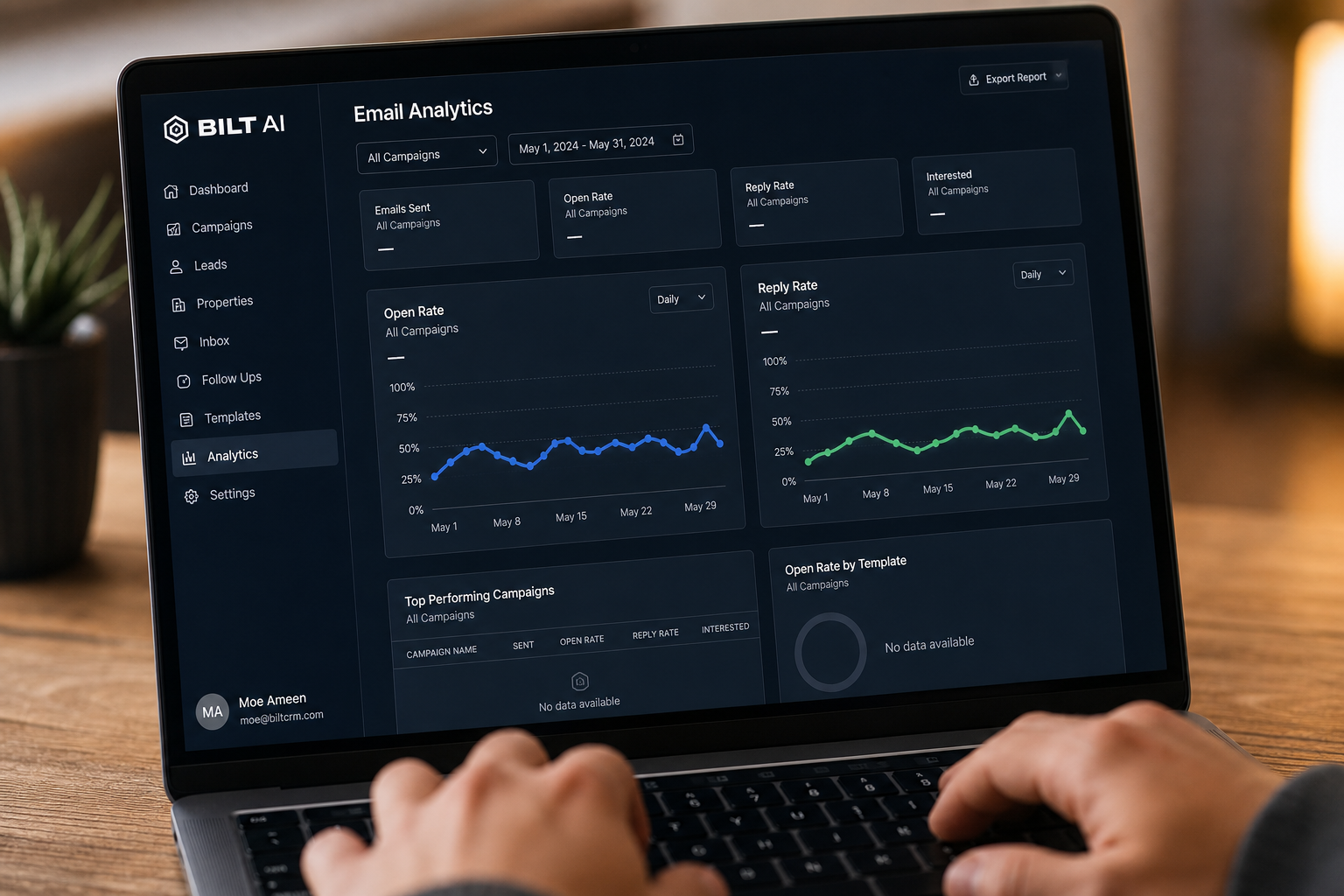
A wholesaler exports a list, hits send on a batch of LOIs, and waits. The dashboard shows a big number sent and not much else. What matters sits behind it: opens, replies, and how fast new data becomes offers.
Across accounts we’ve touched, the pattern is consistent. Open rates land in the single digits to low teens, replies struggle, and new lists take days to turn into offers. The list gets blamed. It usually isn’t the list.
LOI blasting for wholesalers lives or dies on three numbers: open rate, seller match score, and time-to-send. When those three move, the same list produces different outcomes.
There’s also a structural shift since the 2024 Yahoo and Google sender requirements. Authentication, complaint rates, and engagement now directly influence inbox placement. Google documents this in its sender guidelines at support.google.com/mail/answer/81126. If your opens are low, a chunk of your mail never made it to the inbox.
Why a 3 week old domain blasting volume looks like spam to Google
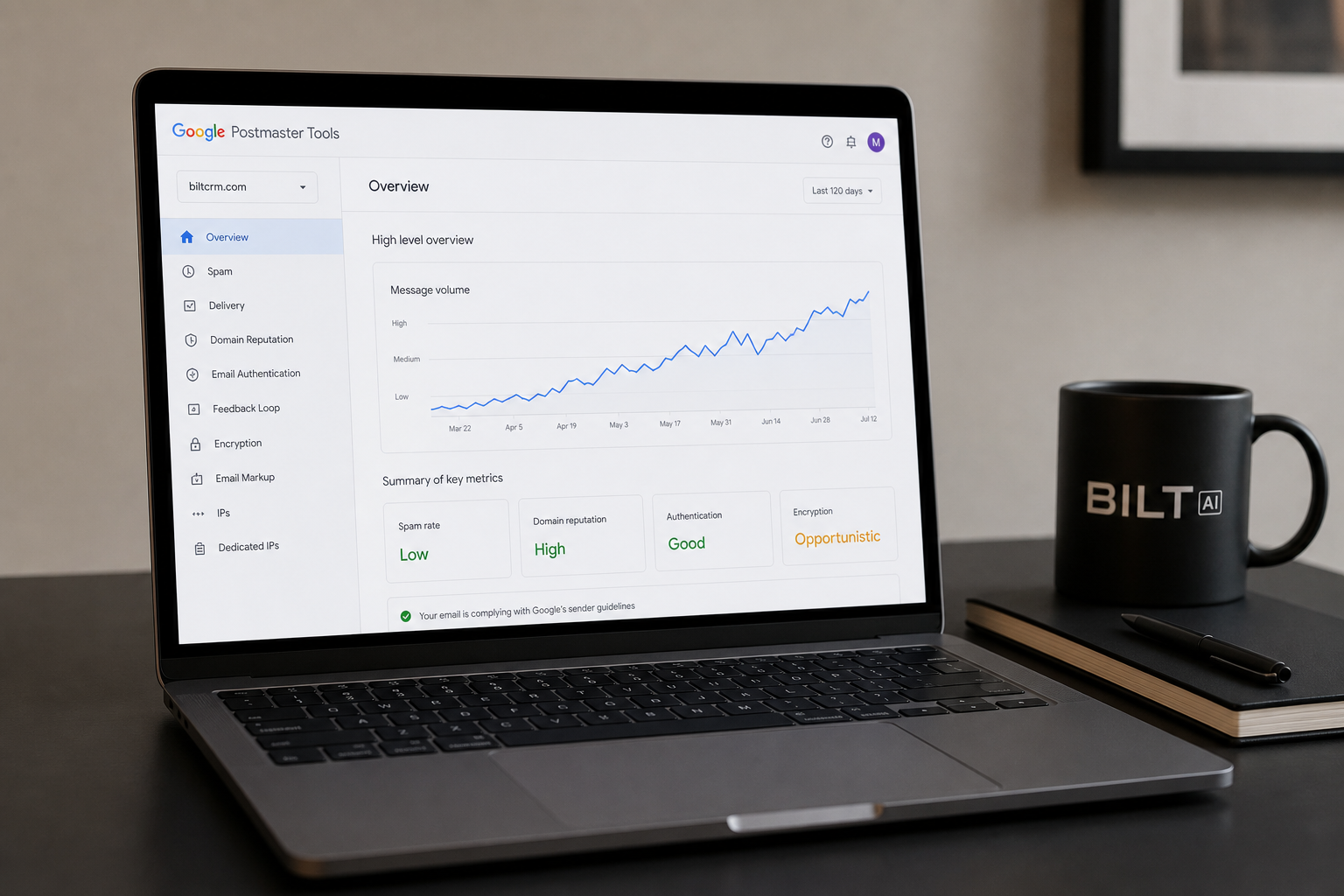
Operators still treat volume as the lever. It isn’t. A fresh domain sending large batches with thin engagement resembles the patterns filters are trained to catch. Google Postmaster Tools makes this visible if you connect your domain at postmaster.google.com. Domain reputation drops, and your next sends inherit that drag.
That’s why two wholesalers with the same list see different results. One warms domains, controls ramp, and sends segmented messages. The other blasts from a new domain with generic copy. Same data, different classification by the mailbox provider.
The contrarian point most guides skip: sending fewer, faster, and more segmented LOIs will outperform blasting larger batches. It sounds backwards until you watch inbox placement climb as engagement improves.
Per the FTC’s guidance on commercial email under CAN-SPAM, identification and opt-out clarity also affect complaint rates, which feed deliverability over time ftc.gov. Low complaints help, but engagement is what lifts you into the primary inbox.
The only three numbers that matter in LOI blasting for wholesalers
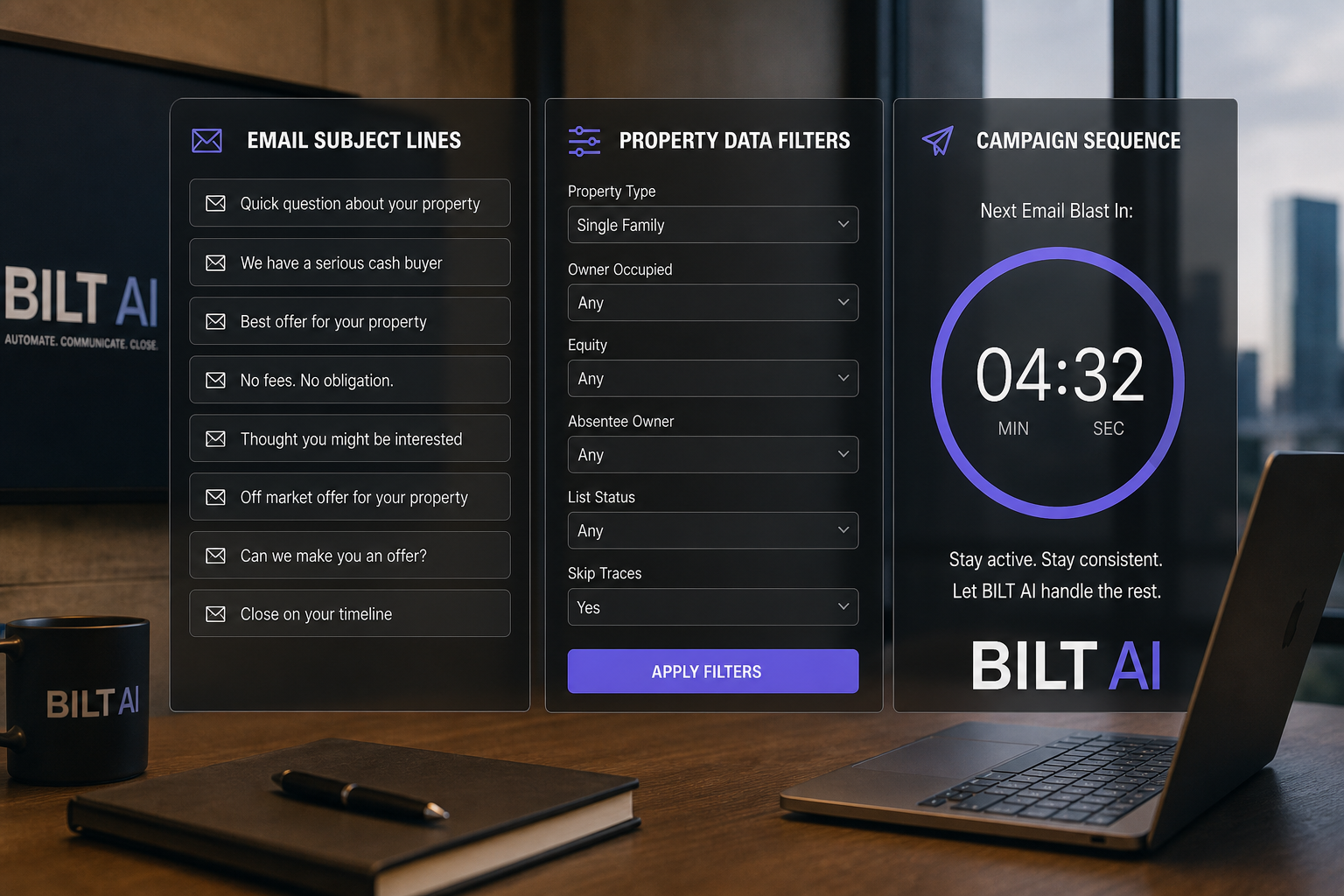
These are the levers you can actually control without changing markets or budgets.
Open rate
This is your subject line and sender reputation working together. If opens are low, nothing else matters because the message was never seen. Localized subject lines that mirror comps and streets outperform generic investor language.
Seller match score
Think of this as list quality with a definition. Equity thresholds, distress signals, and ownership profile should align with your buy box. Absentee owners with strong equity behave differently from pre-foreclosure records. Treating them the same produces weak replies.
Time-to-send
Speed from data to inbox. When a list sits, it decays. New filings, ownership changes, and competing buyers catch up. Turning fresh records into offers within hours keeps you early in the seller’s consideration set.
A dated benchmark to anchor this: the Federal Reserve’s 2024 Small Business Credit Survey notes response timing materially affects conversion in outreach-driven sales processes fedsmallbusiness.org. Real estate outreach behaves the same way. Faster contact wins attention.
Operator vignette: same list, different execution
An acquisitions lead running outbound switched from one generic list to two micro-segments and changed how fast offers went out. The list size stayed the same. Over the next cycle, opens climbed from the low teens to the high twenties and replies roughly doubled. The note in the CRM read, "same data, but the subject lines sound like our comps now and we’re sending the same day".
The change set was simple. Segment by equity and distress signals, rewrite subject lines to reference nearby sales, and cut time-to-send from days to hours. No new list vendor, no extra spend.
Tools used were standard: list filtering inside a data provider, domain health checked in Google Postmaster, and sequences managed in an outbound platform. Execution did the work.
The artifact: a 6 hour LOI pipeline you can screenshot
This is the piece operators keep. It compresses time-to-send while protecting deliverability.
- Segment first (30–60 min): Create two micro-segments. Example: absentee owners with high equity, and a distress list like pre-foreclosure. Keep each segment to a tight definition.
- Write two subjects (15 min): One per segment. Reference a nearby comp or street. Avoid generic investor language.
- Draft one LOI per segment (30–45 min): Keep structure consistent, adjust the opening line and pricing logic to the segment.
- Authenticate and check (15 min): SPF, DKIM, DMARC in place. Verify in Google Postmaster Tools.
- Send in controlled batches (90–120 min): Start smaller, monitor opens and bounces, then scale within the same day.
- Reply handling (ongoing): Same-day responses. Tag outcomes to feed back into the next send.
Nothing in that pipeline requires a new list. It forces clarity on who you’re contacting and removes the multi-day lag that kills relevance.
Subject lines that mirror comps beat clever copy
Wholesalers overthink copy and underinvest in context. Sellers scan for signals that the sender knows their area. Subject lines that reference nearby sales or recognizable streets outperform anything clever.
Examples that consistently lift opens include short lines that feel local and specific. They read like a neighbor or a local agent, not a blast. Pair that with a sending domain that has been warmed and you get into the inbox more often.
Mailchimp’s deliverability guidance echoes this point. Engagement drives placement, and relevance drives engagement mailchimp.com. For wholesalers, relevance shows up as local knowledge.
Keep the body simple. Acknowledge the property type, anchor your price logic to comps, and make the next step obvious. Long explanations reduce replies.
Where BILT AI CRM fits when spreadsheets start breaking
Once you run this at any real volume, spreadsheets turn into bottlenecks. Segments drift, follow-ups slip, and time-to-send stretches again.
That’s where a system built for LOI blasting matters. BILT AI CRM evaluates properties, generates offers, and automates follow-up so your segments stay tight and your sends stay fast. It keeps the three numbers in view instead of buried across tabs.
The bridge is simple. If your problem is inconsistent opens, weak replies, and slow send cycles, you need a system that enforces segmentation and speed without adding headcount.
Turn outbound into inbound with a parallel content lane
Email works better when the same audience sees you elsewhere. A light content system aimed at your two segments warms recognition before the email lands.
Kompozy handles this with a persona brief and a topic pool so each segment has its own hooks and angles. Then it distributes across multiple platforms to keep a steady presence. When your LOI shows up, the name is familiar.
There’s no need for high production. Short posts tied to your segments are enough to lift recognition and, in turn, replies.
What to do in the next 48 hours
- Build two micro-segments: Pull one equity-driven list and one distress-driven list from your data provider. Keep definitions tight and documented.
- Write two subject lines: Reference nearby comps or streets. Send a small batch and check opens in your platform and in Google Postmaster.
- Cut time-to-send: Move from multi-day batching to same-day sends using the 6 hour pipeline above. Track the gap from list pull to first send.
- Instrument replies: Tag positive, neutral, and negative replies in your CRM. Feed that back into your next subject line and segment definition.
If you want this wired into a system that keeps those three numbers where they should be, book a quick walkthrough here: see how we run LOI blasting inside BILT AI.
P.S. If you’re also building the content side to warm your lists, take a look at Kompozy for the persona and distribution layer.
Frequently Asked Questions
What is LOI blasting for wholesalers?
LOI blasting for wholesalers is sending letters of intent via email to property owners at scale to secure deals; the proof is in engagement metrics like open rate and replies rather than the raw number sent.
What open rate should I expect from cold email in real estate?
Expect higher performance when subject lines are localized and domains are warmed; operators commonly see low-teens opens with generic sends and materially higher opens after segmentation and domain health improvements verified in Google Postmaster Tools.
How fast should I send LOIs after pulling a list?
Same day is the target; faster outreach increases attention and replies, a pattern consistent with response-timing findings in the 2024 Federal Reserve Small Business Credit Survey.
Does list size matter more than segmentation?
No; segmentation tied to equity and distress signals drives better replies than larger generic lists, which often depress engagement and hurt inbox placement.
How do I improve email deliverability for LOI blasting?
Authenticate your domain (SPF, DKIM, DMARC), ramp sending volume, and monitor reputation in Google Postmaster Tools; engagement and low complaints improve placement over time.


© Copyright 2024 by BILT. All rights reserved.


