

Self Esteem vs External Validation in 2026
A wholesaler staring at a silent inbox vs a wholesaler who keeps sending
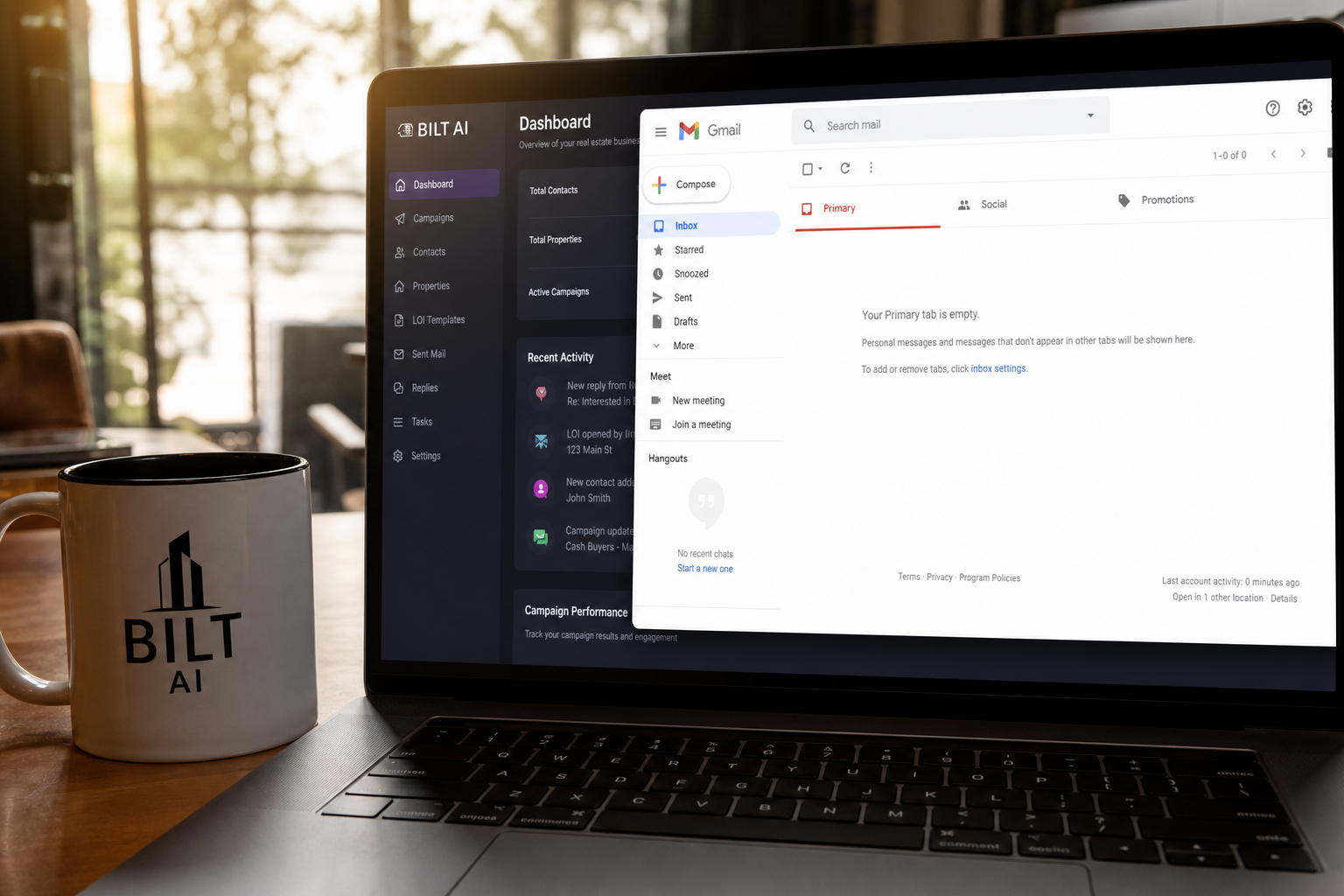
Daniel, a wholesaler in Houston, sat staring at his Gmail tab after sending his first batch of cold emails through Mailshake. He had sent 500 messages over two days and got almost nothing back. His exact words in Slack were, "Maybe I am just not cut out for this."
Same week, another operator running a similar list kept sending. Same market, same type of properties, same tired objections from sellers. One stopped because the silence felt personal. The other kept going because the silence was just data.
This is where self esteem vs external validation stops being a mindset quote and starts affecting deal flow. In real estate, especially outbound heavy models like wholesaling or dispositions, feedback loops are slow and noisy. If your confidence depends on replies, you will quit right before things compound.
Operators who last treat outreach like a system, not a reflection of identity. That difference shows up fast in pipeline quality.
Self esteem vs external validation in real estate operations
External validation in this business shows up in weird places. Seller replies. Buyer texts. Whether a JV partner takes you seriously. Even whether a title company picks up your call.
Self esteem is quieter. It is the decision to keep comping deals in PropStream after three rejections. It is sending the next batch through a warmed domain even when the last batch flopped.
Per the 2024 Federal Reserve Small Business Credit Survey, many operators report uncertainty in revenue consistency as a top stress factor. Real estate investors feel this more because income is deal based, not salary based.
That uncertainty pushes people toward external validation. They start reading every signal as judgment. A seller saying no becomes "I am bad at this" instead of "this lead was not motivated."
That shift sounds small but it changes behavior. One version tweaks messaging and keeps volume steady. The other version hesitates, reduces outreach, and slowly disappears.
Why chasing validation kills your outbound pipeline
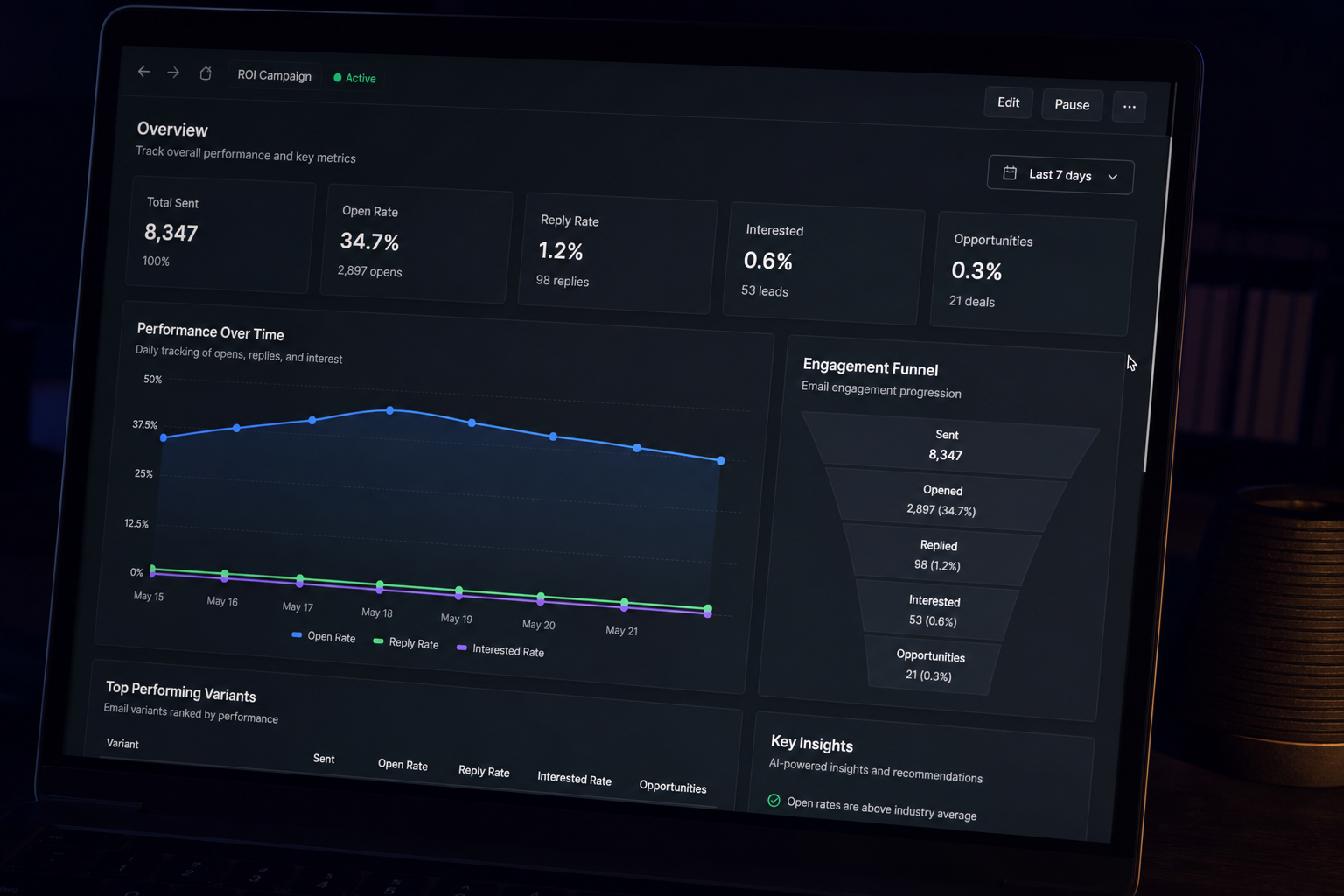
Cold outreach is supposed to feel awkward. If it feels comfortable, you are probably not doing enough of it.
After the 2024 Gmail and Yahoo sender requirements update, deliverability got tighter. Google now expects proper authentication and low spam complaint rates. You can read the full requirements here: Google Email Sender Guidelines.
What that means in practice is simple. You will get ignored more before you get traction. That is normal behavior of the system, not a judgment of your skill.
One operator in Phoenix shared that after switching domains and dialing in SPF, DKIM, and DMARC, his inbox placement improved but replies still lagged. His quote was, "The tech fixed delivery, not interest."
If your confidence is tied to immediate replies, you will constantly change strategy before data stabilizes. That is how pipelines die. You never give anything enough time to work.
Chasing validation creates random pivots. One day you rewrite your copy. Next day you switch lists. Then you blame the CRM. None of those moves come from signal. They come from discomfort.
The operator artifact: outbound stability checklist
This is the checklist used internally before blaming results. Save this. It prevents emotional decision making when numbers feel off.
Outbound Stability Checklist
- Domain age at least a few weeks before scaling volume (Google Postmaster shows reputation trends)
- SPF, DKIM, DMARC fully configured and verified in Google Workspace
- Daily send volume ramped gradually, not spiked overnight
- List source validated through tools like Reonomy or county records
- Offer clarity present in first two lines of email, not buried
- Follow up sequence scheduled for multiple touches across days
- Reply handling system in place, not manual chaos in inbox
If all seven are true, the issue is time and volume, not your identity. If even two are false, fix the system before questioning yourself.
This is where most operators get it wrong. They skip the checklist and go straight to self doubt.
The contrarian take: self esteem is built after action, not before it

Most advice says confidence comes first. That sounds nice but does not hold up in real deal flow.
Confidence in this business shows up after repeated exposure to rejection, not before. You do not wait to feel ready to send 100 emails. You send them, see what breaks, adjust, and repeat until patterns emerge.
A dispositions manager in Atlanta put it plainly after running buyer outreach for months. "I stopped caring about sounding smart. I just cared about getting responses."
That shift changed his numbers because it increased volume and consistency. More conversations meant more insight into what buyers actually wanted.
External validation tries to shortcut that process. It asks for approval before action. Self esteem, in practice, is built by surviving enough cycles that rejection stops meaning anything.
This is why operators who look the most confident are usually the ones who have been ignored the most.
Where BILT AI CRM fits when validation becomes a bottleneck
When outreach volume increases, spreadsheets break. Reply tracking gets messy. Follow ups slip. At that point, what feels like a confidence issue is often just a systems problem.
If you are running consistent outbound and cannot keep up with replies or sequences, that is exactly why BILT AI CRM exists. It handles LOI blasting and structured follow ups so you are not making decisions based on a cluttered inbox.
The operators who scale inbound from cold email are not guessing. They are running repeatable systems that remove emotion from the process.
Once that system is in place, the need for validation drops because you can see the pipeline building in front of you.
What to do in the next 48 hours if this hit close to home
- Audit your last outbound batch. Check domain setup in Google Postmaster Tools and confirm authentication is correct.
- Run the outbound stability checklist above. Fix at least one weak point before sending another batch.
- Send your next round anyway. Do not wait for confidence. Use the same list source and track replies over time.
- Book a short walkthrough if your system is breaking under volume. See how we structure outbound for investors.
If content and workflow are your bottleneck, the system behind Kompozy shows how to keep consistent output without burning out.
Frequently Asked Questions
How do I stop caring about seller rejection in wholesaling?
You stop caring by increasing volume until rejection becomes normal. One operator sending hundreds of emails weekly reported that individual responses stopped feeling personal because patterns became obvious.
Why does external validation hurt my real estate business?
It slows decision making and causes constant strategy changes. After the 2024 Google email updates, consistent send behavior mattered more than quick pivots, and operators who kept switching setups saw worse results.
What builds real confidence in outbound marketing?
Repetition builds it. Sending campaigns, tracking replies, and improving targeting over time creates predictable outcomes, which removes emotional swings.
Is low response rate always a messaging problem?
No. Deliverability issues are common. Google’s sender guidelines show that authentication and domain reputation directly affect inbox placement before messaging even matters.
When should I switch tools or CRMs?
Switch when volume creates missed follow ups or disorganized replies. Operators handling larger outbound batches often move to structured systems to maintain consistency.


© Copyright 2024 by BILT. All rights reserved.


