

Why Easy Money Fails in Real Estate
Why chasing easy money in real estate keeps backfiring
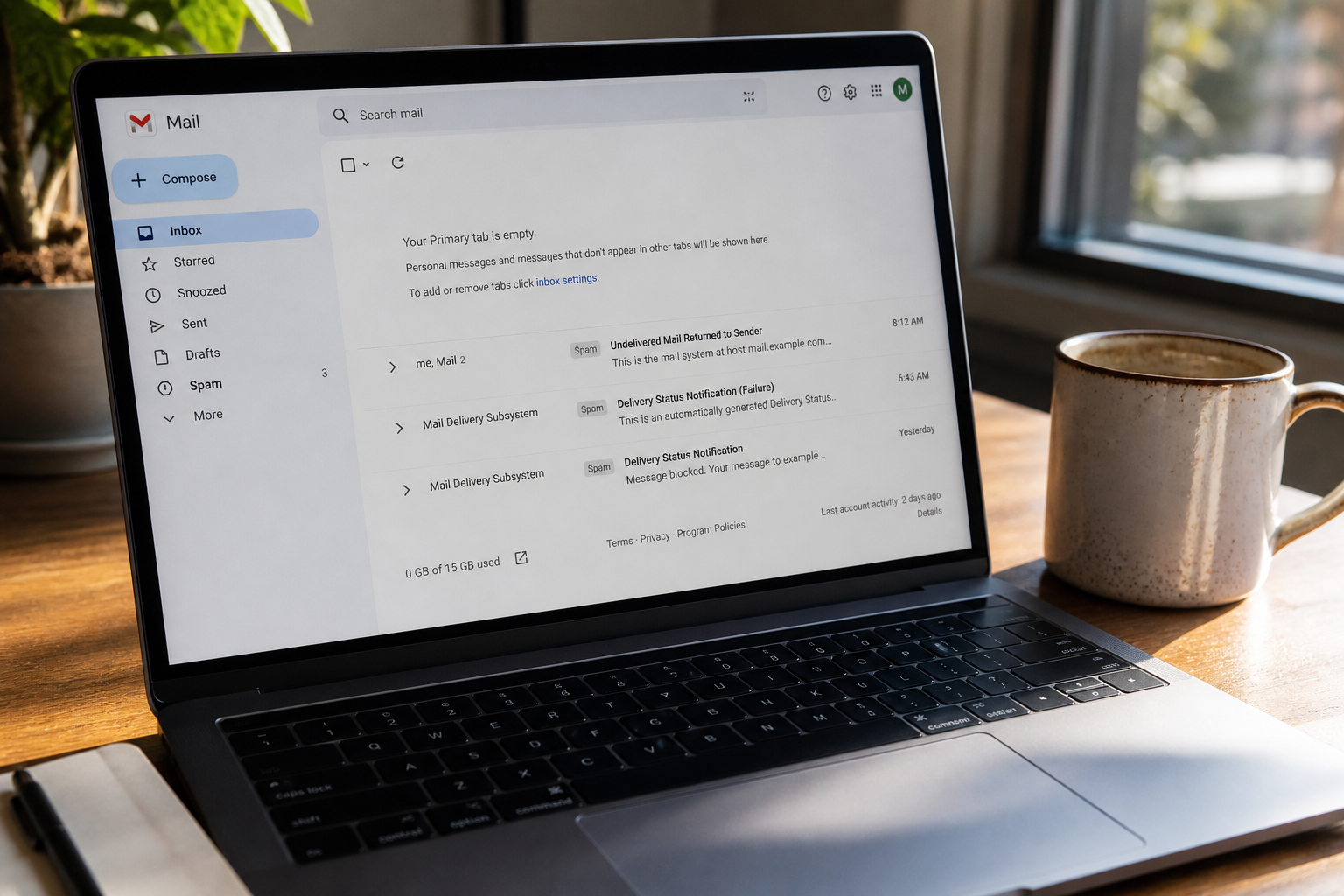
A wholesaler opens his inbox expecting replies from a fresh list he blasted the night before. Instead, it is silence, plus a few spam warnings. The list was cheap, the domain was new, and the pitch promised a fast close with no friction. It looked efficient on paper.
This is where most operators get stuck. The idea of easy money in real estate sounds practical, especially when you are juggling contracts, buyers, and sellers at the same time. But the shortcut usually creates a second problem you now have to solve.
Gary Vee’s point lands hard in this space. The path that feels easier at the start tends to stretch the timeline later. In real estate, that shows up as dead inboxes, ignored offers, and buyers who disappear when it is time to perform.
Operators who stay in the game long enough start noticing a pattern. The deals that actually close are rarely the ones that felt effortless upfront. They are the ones that had structure, follow-up, and a system behind them.
The hidden cost of shortcuts in deal flow

Shortcuts in real estate rarely look like shortcuts. They look like efficiency. Skip list cleaning. Skip domain warmup. Skip relationship building. Send more offers faster.
Then the downstream cost hits. Emails stop landing in inboxes. Sellers ignore your name because it looks like every other investor. Buyers question your credibility when your deal package feels rushed.
According to the 2024 Federal Reserve Small Business Credit Survey, businesses that rely on inconsistent pipelines report higher volatility in revenue and approvals. That pattern shows up clearly in real estate operators who rely on one-off outreach instead of repeatable systems.
A similar issue shows up on the technical side. Google tightened sender requirements after the 2024 updates, pushing bulk senders to meet stricter authentication and engagement standards. You can see the requirements directly in Google’s sender guidelines. Ignore that, and your "easy" outreach becomes invisible.
The shortcut saves time once. The fix costs you months.
Contrarian take: hard systems create easier money

The common advice says simplify everything. Send more offers. Keep it light. Move fast.
That advice breaks once you operate at volume.
The operators who make money consistently do something that looks harder at the start. They build systems that feel slow to set up. Domain infrastructure. CRM tracking. Follow-up sequences. Clear disposition pipelines.
Then something flips. The work compounds.
Instead of chasing deals, deals start responding. Instead of guessing who is serious, engagement data tells you. Instead of restarting every month, your pipeline carries forward.
One operator in Dallas running wholesaling campaigns shifted from ad hoc outreach to structured email sequencing. Over time, the conversation rate improved simply because messages started landing and stacking instead of resetting. The quote that stuck: "It finally felt like conversations were building instead of restarting every week."
That is the part most people resist. The “hard” setup is what removes friction later.
The one artifact operators keep: outbound to inbound conversion map
This is the piece most people wish they had earlier. Not another tip list. A working map that shows how cold outreach turns into inbound conversations.
Outbound to Inbound Conversion Map (Real Estate)
- Step 1: List Quality Gate — Pull from verified sources like county records or PropStream. Remove duplicates before sending.
- Step 2: Domain Setup — Use multiple sending domains, warmed through tools like Smartlead or Instantly. Avoid sending from your primary brand domain.
- Step 3: First Touch Email — Plain text, no images. One clear offer tied to a property condition or situation.
- Step 4: Follow-Up Window — Minimum of several touches spaced over days, not hours. Conversations compound across touches.
- Step 5: Engagement Filter — Replies and opens move into CRM tracking. Non-engaged contacts stay in sequence.
- Step 6: Deal Routing — Warm replies go straight to acquisitions or dispositions depending on intent.
- Step 7: CRM Feedback Loop — Closed deals feed back into targeting criteria so future outreach improves.
This is where most spreadsheets break. Once replies start stacking, tracking who said what and when becomes messy fast.
If you are running this at scale, this is exactly why BILT AI CRM exists. It handles LOI blasting and organizes replies into actual deal flow instead of inbox clutter.
Why most cold outreach fails before the first reply
Operators usually blame the list or the market. It is rarely either.
Most failures happen before the first email is even read. Poor domain setup. No warming period. Sending too much volume too quickly. Messages that look identical to every other investor.
Platforms like Gmail and Outlook are filtering aggressively now. If your setup signals low trust, your message never gets a chance.
This is where experience shows. The difference between a campaign that works and one that disappears is often invisible to beginners. DNS records. Authentication. Sending behavior.
That is also why inbound feels so different when it works. The seller replies already aware of your message. The conversation starts warmer. The deal moves faster because the trust gap is smaller.
It looks like easy money from the outside. It is not. It is structured work that finally compounds.
What to do in the next 48 hours if your pipeline feels stuck
1. Audit your last campaign using Google Postmaster Tools. Look at domain reputation and spam rates before sending another batch.
2. Rewrite your primary outreach email. Remove anything that sounds templated. Keep it plain and tied to a real property scenario.
3. Set up a basic follow-up sequence using a tool like Instantly or Smartlead. Do not rely on one-touch outreach.
4. Route replies into a system, not your inbox. Even a simple CRM setup changes how deals progress.
5. Book time to review your pipeline instead of sending more volume. Fixing flow beats increasing noise.
If the bottleneck is turning cold outreach into actual conversations, that is a systems problem. You can see how operators are handling it inside BILT by scheduling a walkthrough here: book a demo.
Frequently Asked Questions
Why does easy money in real estate usually fail?
Because it removes the systems that create consistency. Operators who skip setup steps like domain warming or follow-up sequences often see low response rates and unstable deal flow.
How do I turn cold leads into inbound real estate deals?
Build a structured outreach system with multiple touches and proper tracking. Tools like CRMs and email platforms help convert replies into ongoing conversations instead of one-off messages.
What is the biggest mistake wholesalers make with cold email?
Sending too much volume from unprepared domains. Google’s sender guidelines show that poor authentication and sudden spikes in sending reduce inbox placement significantly.
Do I need a CRM for real estate outreach?
Yes, once replies start coming in. Without a CRM, conversations get lost in inboxes, which slows down deal flow and follow-up timing.
Is cold email still effective for real estate in 2025?
Yes, when done correctly. Operators who follow updated sender requirements and use structured sequences still generate consistent inbound interest.


© Copyright 2024 by BILT. All rights reserved.


