
Entrepreneur Suffering: The Cost of Deals
The deal that looked good on paper but cost more than it paid

A wholesaler in Dallas sat on a contract that should have assigned clean. Numbers penciled out, buyer interest looked real, and comps supported the ask. Still, the deal dragged, buyers ghosted, and the seller started pressing.
By the time it closed, the assignment barely covered marketing and time. The operator didn’t lose money, but the cost showed up elsewhere. Stress, follow-ups, strained relationships, and a pipeline that stalled while attention stayed stuck on one deal.
That’s entrepreneur suffering in real estate. It doesn’t show up on a HUD. It shows up in how long you stay in bad deals and how often you repeat the same pattern.
Suffering is fixed, but the asset you attach it to is optional
Alex Hormozi’s framing lands because it maps cleanly to real estate operations. Everyone in this business deals with friction. Title delays. Buyers backing out. Cold outreach that goes nowhere. The difference isn’t whether you suffer. It’s what you attach that cost to.
Operators who attach their effort to low-probability deals feel like they’re grinding nonstop. Operators who attach it to repeatable systems feel the same pressure but get paid on the other side.
Data backs the idea that systems matter. The Federal Reserve’s Small Business Credit Survey shows firms with stronger operational processes have better outcomes accessing capital and stabilizing revenue (see Federal Reserve SBCS).
In real estate terms, that means fewer one-off hero deals and more consistent deal flow tied to a repeatable channel.
The contrarian take: more hustle is not the answer
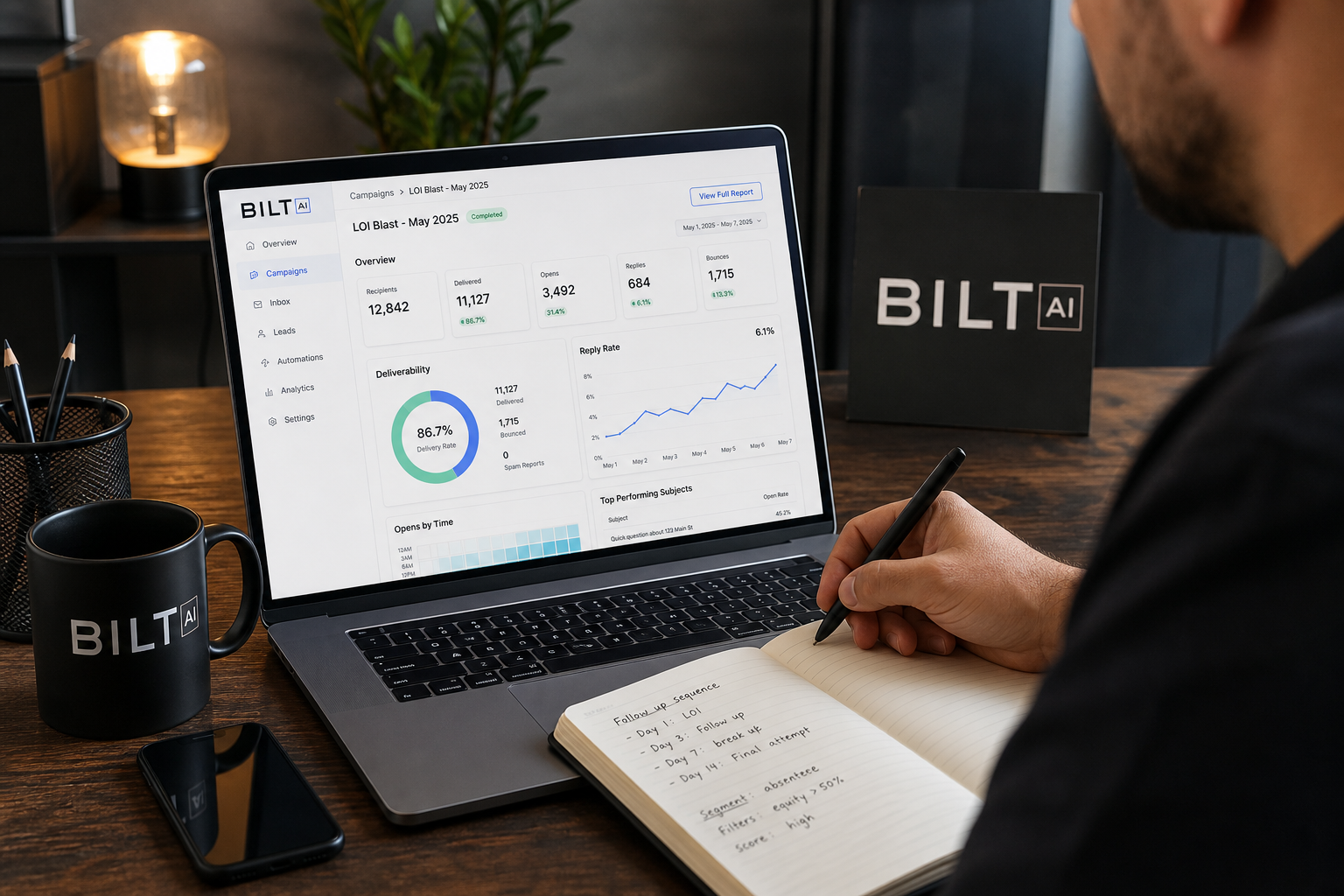
More hustle sounds right until you watch where the hours go. Most operators don’t have a work ethic problem. They have an allocation problem.
Cold calling longer lists, sending more texts, chasing every inbound lead, it feels productive. It also creates a wider surface area for low-quality conversations.
After the 2024 sender requirement updates from Google and Yahoo, bulk outreach without structure started getting filtered harder (see Google sender guidelines). That changed the math. Volume without deliverability is just invisible work.
The operators who adjusted didn’t grind more. They tightened targeting, warmed domains properly, and built sequences that generated replies instead of blasting noise.
Same suffering, different return.
What real operators choose to suffer for
There’s a pattern among investors who stick. They pick a few pain points and accept them upfront.
- Consistent outreach instead of sporadic bursts
- System setup instead of constant manual follow-up
- Filtering deals early instead of negotiating everything
One operator in Phoenix shifted from chasing inbound leads to structured outbound. Within a single quarter, their pipeline changed from unpredictable to steady. The quote that stuck was simple: “I stopped hoping deals would show up and started engineering replies.”
That shift didn’t remove friction. It redirected it into something that compounds.
The operator artifact: Deal Flow Suffering Filter
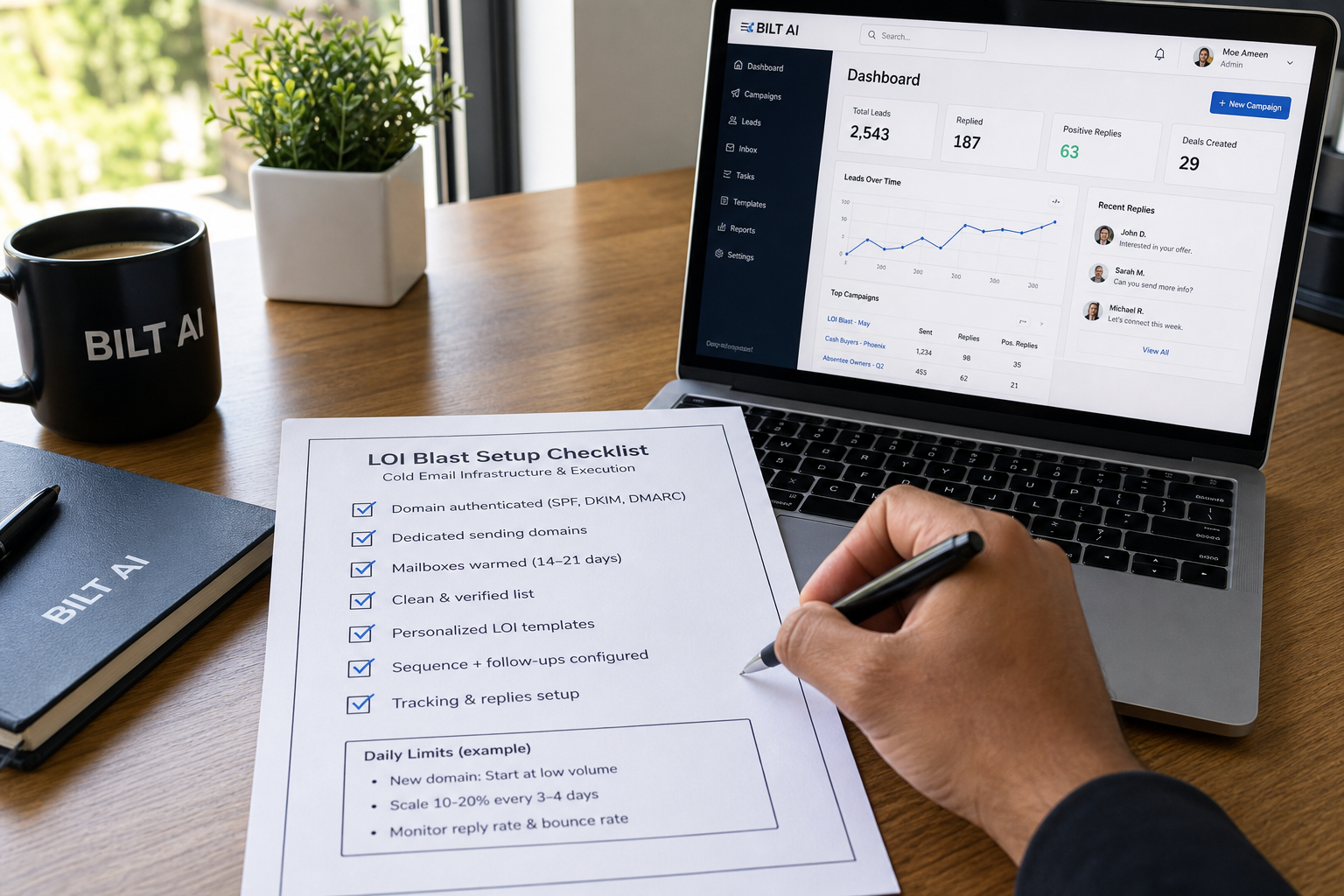
Most people keep paying for the same mistakes because they don’t define what’s worth the cost. This is the filter many of our clients end up using after a few painful cycles.
Deal Flow Suffering Filter
- Channel clarity: Can this channel produce repeatable leads, or is it one-off?
- Control level: Do you control the input (list, message, timing) or depend on platforms?
- Feedback speed: Do you get replies fast enough to iterate weekly?
- Time drain: Does it require constant manual effort to maintain?
- Conversion visibility: Can you track replies to signed contracts clearly?
- Scalability: Can this double without doubling your time?
If a channel fails more than two of these, it usually becomes expensive suffering. Not in dollars, in attention.
This is where tools start to matter. When operators hit volume, spreadsheets break. Systems that handle sequencing, tracking, and replies become the difference between noise and pipeline.
That’s the exact gap BILT AI CRM was built for. Not more outreach, better structured outreach that turns cold data into conversations.
Why most real estate operators feel stuck
The issue isn’t lack of effort. It’s mispriced goals.
Wanting consistent deal flow while avoiding consistent outreach doesn’t line up. Expecting inbound deals without building a channel that produces them leads to frustration.
The FTC has repeatedly warned about deceptive lead generation practices and low-quality lists in marketing (see FTC business guidance). Operators who rely on those shortcuts end up paying in wasted time and poor conversations.
Better operators accept the upfront cost. Clean data. Structured messaging. Consistent sends. They take the hit early so the backend runs smoother.
What to do in the next 48 hours
1. Audit your current pipeline. Identify which deals or channels are consuming time without producing consistent outcomes.
2. Pick one outbound channel you control. Email is usually the easiest to structure and track.
3. Set up a basic sequence using a platform that can handle volume and replies without deliverability issues.
4. Define your filter before sending anything. If a deal doesn’t meet your criteria, don’t chase it.
5. Book time to review results weekly. Adjust messaging based on replies, not guesses.
If your current setup feels scattered, it usually is. Getting a second set of eyes on it helps. You can see how we structure outbound for real estate operators and decide if it fits your model.
Frequently Asked Questions
What does entrepreneur suffering mean in real estate?
It means the unavoidable effort, stress, and time required to generate and close deals. For example, operators managing outbound campaigns deal with rejection and iteration before consistent replies show up.
How do I know if a deal is worth the effort?
If the deal fits your buy box and moves quickly through your pipeline, it’s usually worth it. Deals that stall, require constant chasing, and don’t meet margins tend to drain attention without payoff.
Why is outbound better than waiting for inbound deals?
Outbound gives control over volume and targeting. Platforms like Google tightened email requirements in 2024, which made structured outbound more effective than random blasting.
What tool helps manage real estate outreach at scale?
A CRM built for outbound sequences handles tracking, replies, and deliverability. Many operators switch once spreadsheets stop keeping up with lead flow.
Can beginners apply this approach?
Yes, but it works best when treated like a system from day one. Even a small, consistent outreach setup outperforms sporadic effort over time.