Kindness in Business vs Fear in Real Estate
Kindness vs fear in real estate deals

Kindness in business gets dismissed fast in real estate circles. Somewhere between assignment contracts, EMD deadlines, and sellers ghosting after inspection, people default to defense mode.
The idea sounds familiar. Be aggressive. Control the frame. Protect your margin at all costs.
Fear runs the playbook. Kindness looks like a liability.
But operators who actually stay in the game long enough see a different pattern. Deals don’t fall apart because someone was too kind. They fall apart because trust never got built in the first place.
Fear-based operators optimize for not getting burned. Kind operators optimize for getting invited back into the next deal.
That difference compounds across months of seller conversations, buyer lists, and disposition calls.
One approach protects you from a bad deal. The other builds a pipeline that doesn’t rely on luck.
What fear actually looks like in transactions
Fear doesn’t show up labeled. It shows up as over-control.
It sounds like hardball negotiation, but it usually comes from uncertainty about deal flow.
In wholesaling and investing, fear-driven behavior tends to cluster around a few moments.
During seller conversations
- Pushing for signatures before the seller feels understood
- Avoiding transparency around assignment intent
- Talking more than listening
During dispo
- Blasting buyers without context
- Hiding property issues instead of framing them
- Rushing timelines to force decisions
During negotiations
- Defaulting to ultimatums instead of options
- Over-defending price without explaining logic
- Assuming every counterparty is trying to win at your expense
The pattern is simple. When operators don’t trust their ability to generate the next opportunity, they try to squeeze the current one harder.
That pressure leaks into every interaction.
And people feel it immediately.
Why kindness in business wins more contracts
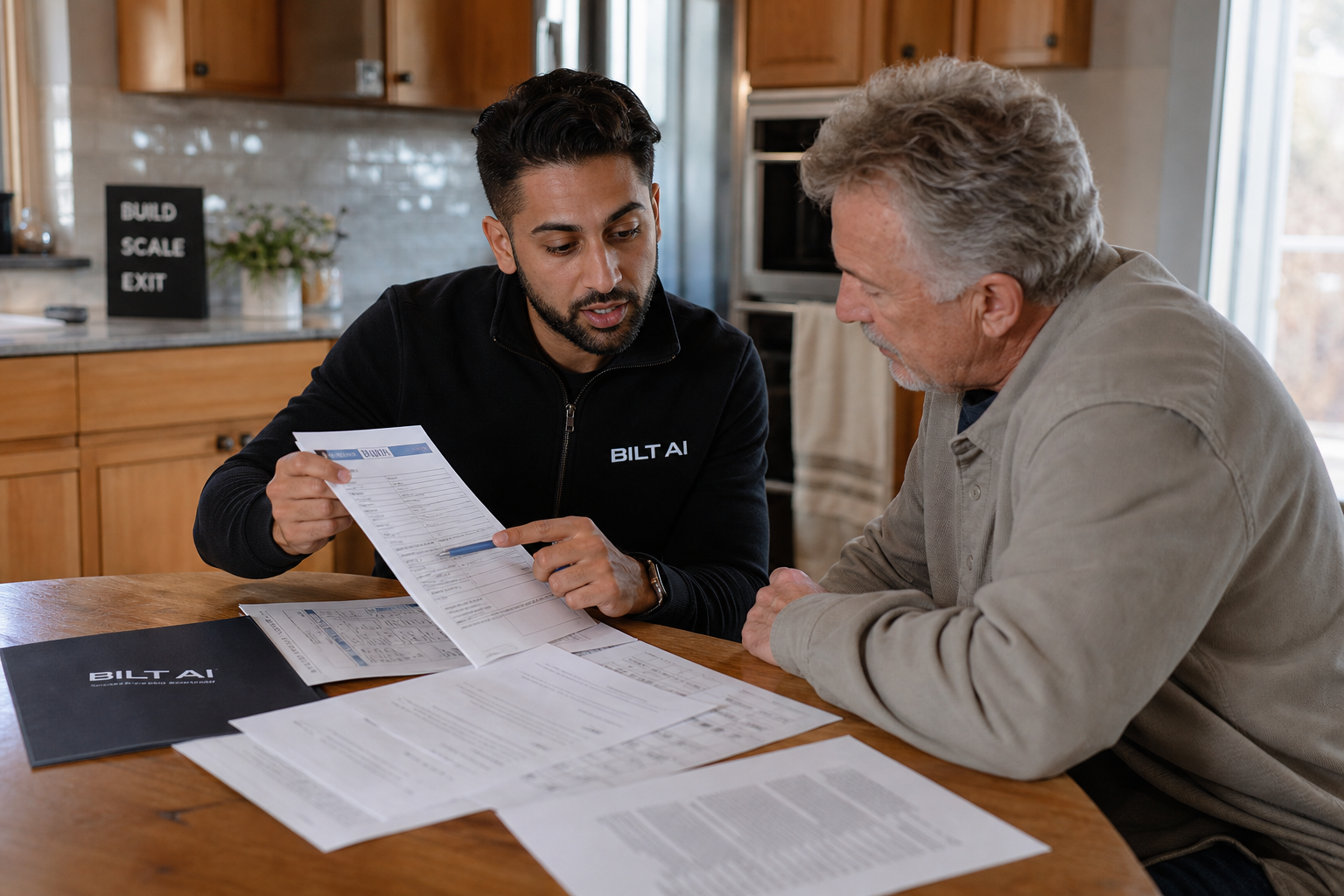
Kindness in business is not about being soft. It is about reducing friction in the deal so it actually closes.
In real estate, friction kills momentum. Every unclear expectation, every hidden detail, every defensive response adds resistance.
Kind operators remove that resistance early.
They explain the process. They set expectations. They tell sellers what could go wrong before it does.
That behavior does something most people underestimate. It lowers the perceived risk of working with you.
Research from Edelman’s 2024 Trust Barometer shows that trust remains a primary driver in purchase decisions across industries, especially in high-stakes transactions. Real estate is as high-stakes as it gets.
When a seller is deciding between two investors offering similar numbers, they rarely pick the one who felt more aggressive.
They pick the one who felt more predictable.
Kindness signals predictability.
And predictability closes deals.
The contrarian take: kindness is a volume strategy, not a moral one
Most advice frames kindness as a personality trait. That framing misses how it actually functions in real estate.
Kindness is a throughput strategy.
Operators who run high-volume outbound, whether through cold calls or platforms like BILT AI CRM, learn this quickly. When you are touching hundreds of property owners, you cannot rely on pressure tactics to convert.
You need consistency. You need replies. You need conversations that don’t die after the first objection.
Kindness keeps conversations alive longer.
Longer conversations create more surface area for deals to form.
This shows up clearly in cold email systems after the 2024 Google and Yahoo sender requirement updates, documented by Google Postmaster guidelines. Messages that feel deceptive or aggressive get filtered. Messages that feel human get responses.
That same dynamic applies to sellers and buyers.
If your tone triggers defense, the deal shrinks. If your tone builds comfort, the deal expands.
Kindness scales. Aggression stalls.
Operator vignette: how one shift changed deal flow

A wholesaler operating in a mid-sized U.S. market shifted how they handled seller calls after struggling with fallout during inspection periods.
Before the shift, conversations focused heavily on locking contracts quickly. Sellers often agreed upfront, then backed out once they felt uncertain or pressured.
After changing approach, the operator started walking sellers through the full process, including how assignments worked and what buyers would look for.
One seller responded with,
"You’re the first person who actually explained what happens after I sign."
That single shift didn’t just improve conversion. It reduced cancellations.
Fewer contracts fell apart. Buyers showed up with clearer expectations. Dispositions became smoother.
The operator didn’t become nicer in a generic sense. They became clearer, more transparent, and easier to work with.
That’s what kindness looks like in practice.
The one artifact: the low-friction deal checklist
This is the piece most operators end up saving.
Use this before every contract, especially in wholesale or investor-led deals.
Low-friction deal checklist
- Explain the exit upfront: Tell the seller if you plan to assign or double close before paperwork is signed
- Set inspection expectations: Clarify what buyers will look for and possible renegotiation points
- Confirm timeline in writing: Include realistic closing windows, not best-case scenarios
- Disclose buyer involvement: Let sellers know additional parties may walk the property
- Pre-frame price logic: Explain how you arrived at your offer using comps or repair estimates
- Align on communication: Agree on how often updates will happen and through what channel
- Document everything in your CRM: Track conversations so nothing gets lost between acquisition and dispo
This is where systems matter. If you are managing multiple conversations, relying on memory breaks quickly. That is exactly why tools like BILT AI CRM exist. When every seller touchpoint is logged, your communication stays consistent even at scale.
Consistency is what turns kindness into something operational instead of accidental.
Why “nice guys finish last” keeps spreading
The phrase sticks because people confuse outcomes with tactics.
Operators who fail while being “nice” usually lack structure, not edge.
They avoid hard conversations. They don’t set boundaries. They let deals drift.
That is not kindness. That is avoidance.
Real kindness in business includes clarity, directness, and follow-through.
You can hold price and still be respectful. You can walk away and still leave the door open.
The difference is how the other party experiences the interaction.
When someone feels respected, even in a declined deal, they come back later or refer someone else.
That behavior shows up across industries. According to PwC’s Trust in Business survey, trust directly correlates with repeat engagement and referrals, especially in high-consideration decisions like property transactions.
In real estate, that translates to something simple. Your pipeline becomes less dependent on constant outbound grind.
What to do in the next 48 hours
If deal flow feels inconsistent or conversations stall early, this is where to start.
- Audit your last five seller conversations: Look for moments where you withheld information or rushed the process. Rewrite those scripts with clearer explanations.
- Implement the low-friction checklist: Add it to your CRM or pipeline tool so every deal follows the same structure.
- Fix your outbound tone: Review your cold emails or SMS. Remove pressure language and replace it with clarity. Use tools like Google Postmaster Tools to monitor deliverability if you are sending at scale.
- Centralize your pipeline: If you are juggling spreadsheets and notes, move to a system that tracks every interaction. That is the difference between guessing and operating.
If your outbound and follow-up are inconsistent, you will feel pressure on every deal. If they are structured, you can afford to slow down and build trust.
If you want to see how we structure that inside BILT, you can book a quick walkthrough here. It is the exact system built for operators who want inbound conversations without forcing every deal.
Frequently Asked Questions
Does kindness actually help close more real estate deals?
Yes, because it reduces friction and increases trust during high-stakes decisions. Edelman’s 2024 Trust Barometer shows trust directly impacts buying behavior, and real estate transactions rely heavily on perceived reliability.
Is being kind the same as being weak in negotiations?
No, because strong operators still hold boundaries and pricing. The difference is they communicate clearly and respectfully, which keeps deals alive instead of triggering resistance.
How do I apply kindness in wholesaling specifically?
Start by explaining your assignment process upfront and setting realistic expectations. Operators who disclose details early see fewer contract cancellations and smoother dispositions.
Can kindness improve cold email performance in real estate?
Yes, because tone affects response rates and deliverability. Google’s sender guidelines show that misleading or aggressive messaging reduces inbox placement, while clear communication performs better.
What tools help maintain consistency in communication?
CRMs like BILT AI CRM help track every seller and buyer interaction. When conversations are documented, messaging stays consistent across acquisition and disposition.