Scaling a Wholesaling Operation Without Breaking Ops
3 breakdowns that happen when scaling a wholesaling operation

A 4-person wholesaling team sounds like progress until the first week where two reps text the same seller different offers and a VA uploads a list that overlaps last month’s pull. That shift, from solo operator to team, is where scaling a wholesaling operation either compounds or collapses.
The failure points tend to cluster in three places:
- Inconsistent seller messaging. Different reps say the same thing in different ways, which changes how sellers respond and what objections show up.
- Duplicated outreach lists. Pulling data from multiple sources without a central check creates overlap, burned leads, and wasted touches.
- No visibility into touchpoints. Nobody can answer who spoke to a seller last, what was promised, or what the next step is.
Each one shows up quietly at first. A confused seller here, a missed follow-up there. Then dispositions starts asking why contracts are thinner and colder. The issue is not effort. It is fragmentation.
Why communication becomes the real bottleneck, not lead flow

Most operators assume scaling problems come from not having enough leads. That holds true when you are solo. Once people are involved, communication becomes the constraint.
Research backs the cost of misalignment. The Gallup workplace study has repeatedly tied inconsistent communication to lower performance outcomes across teams. The same pattern shows up in real estate operations, just faster because every delay hits a live deal.
Inside a wholesaling pipeline, communication touches everything: intake notes, offer ranges, follow-up cadence, and how objections are handled. If each rep improvises, your data stops being comparable. You cannot diagnose what is working because every conversation is different.
That is where most teams stall. They try to hire their way out of inconsistency, which only multiplies it.
The contrarian move: standardize before you hire, not after
Common advice says hire first, then build process once volume justifies it. That approach breaks wholesaling teams.
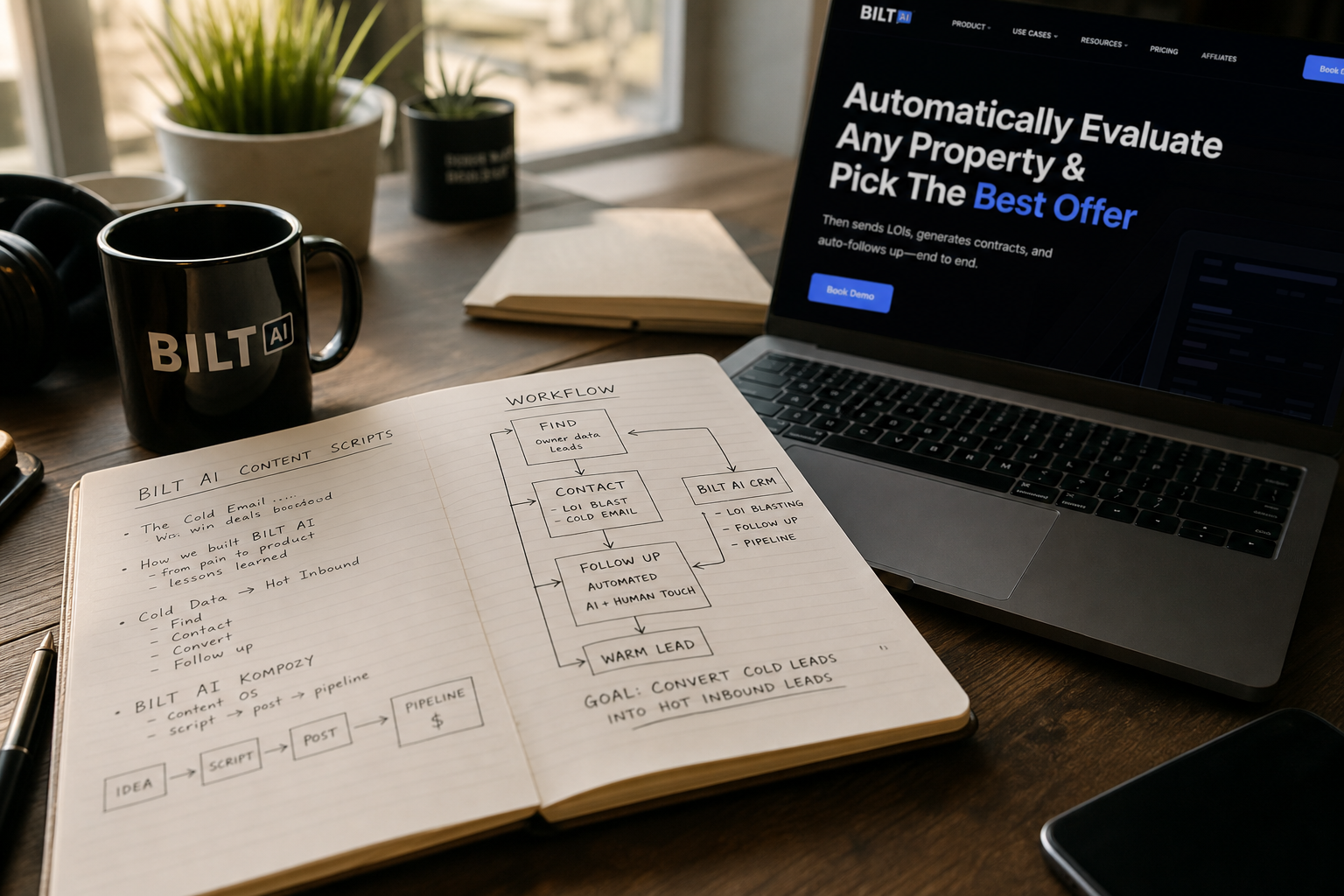
The operators who scale cleanly do the opposite. They lock the system before adding headcount. Scripts, lead sources, and logging rules get defined while the team is still small.
Guidance from the U.S. Small Business Administration echoes this pattern. Process clarity comes before team expansion, otherwise performance becomes unpredictable and hard to manage.
In wholesaling, that means your acquisition flow should run the same whether one person is sending offers or three. The words, the sequence, and the data captured should not change. Only the volume should.
It feels slower upfront. It removes guesswork later when you are juggling contracts, assignments, and buyer conversations at the same time.
The single source of truth every wholesaling team needs
The fix is not complicated, but it requires discipline. Build a single source of truth before adding your next rep. This is where most teams cut corners.
This document or system holds three things: your scripts, your data inputs, and your tracking rules. Every outbound message and every lead source passes through it.
Operator checklist you can actually use
- Script baseline: one approved cold opener, one follow-up sequence, one objection handling path. Stored in a shared doc or system.
- Lead source registry: every list labeled by origin, pull date, and filters used. No list enters rotation without being logged.
- Deduplication rule: one tool or process that checks overlap before outreach begins. No exceptions.
- Touchpoint logging: every call, text, or email logged in the same place with a required note format.
- Offer framework: consistent logic for how offers are positioned, even if pricing varies by deal.
- Ownership clarity: one rep owns a lead at a time. Reassignment is logged, not assumed.
Teams that skip even one of these end up back in reactive mode, trying to reconstruct conversations from memory while deals stall.
Where most teams lose deals: fragmented lead systems
Pulling lists from multiple tools without a central system creates invisible damage. You might be using county data, list vendors, and skip tracing platforms all at once. Without consolidation, the same property shows up multiple times under slightly different records.
The FTC data broker guidance highlights how fragmented data sources introduce inconsistencies that affect downstream decisions. In wholesaling, that translates into duplicate outreach and confused sellers.
This is where a unified system earns its place. If you are running any meaningful outbound volume, spreadsheets will not hold up. This is exactly why tools like BILT AI CRM exist. Centralizing lead intake, deduplication, and outbound tracking in one place removes the overlap that kills momentum.
Once everything routes through a single pipeline, your team stops guessing and starts operating on shared context. Conversations improve because everyone sees the same history.
How Kompozy enforces consistency across people and content
Scaling is not only about outbound to sellers. It includes how your brand communicates across emails, follow-ups, and even content that attracts inbound leads.
Kompozy handles this by structuring how messaging is created. Brand Prompt Lanes and Persona Frames ensure that whether a VA or an acquisitions rep triggers content, the voice and structure stay consistent.
This matters because inconsistency does not only confuse sellers. It weakens inbound trust. When your cold email sounds one way and your follow-up sounds another, response rates drop and conversations reset.
By standardizing how messaging is generated, teams remove variation at the source. That keeps outbound aligned and makes inbound feel like a continuation of the same conversation.
What to do in the next 48 hours before adding another rep
1. Document your current acquisition flow in one place. Use a simple tool like Notion or Google Docs. Capture your scripts, your lead sources, and how you log interactions.
2. Audit your last batch of outreach. Check for duplicate contacts and inconsistent messaging. If you find both, fix the system before increasing volume.
3. Move your leads into a centralized platform. If you are still juggling spreadsheets, transition into a system built for tracking conversations and deduplication.
4. Define ownership rules. Make it explicit who handles each lead and how reassignment works.
5. Once the system holds, then hire. The new rep plugs into a machine that already works.
If the goal is to turn cold outreach into predictable inbound conversations, the system has to come first. That is exactly the gap most operators are trying to close when they look at tools like BILT AI or structured content systems like Kompozy. If that is where you are, book a walkthrough and see how the full pipeline runs when everything lives in one place.
For teams building out content and outbound consistency at the same time, Kompozy sits on top as the operating layer. Worth exploring at Kompozy.
Frequently Asked Questions
How do I know if my wholesaling operation is ready to scale?
You are ready when your acquisition process runs the same way every time and results are consistent across deals. If messaging, follow-ups, or lead handling change depending on who is working the deal, scaling will amplify the inconsistency instead of the output.
What systems do I need before hiring a wholesaling team?
You need a centralized CRM, a standardized script library, and a clear lead tracking process. Platforms like BILT AI CRM handle lead intake, deduplication, and communication logs in one place, which removes the need for scattered spreadsheets.
Why does duplicated outreach hurt wholesaling deals?
Duplicated outreach confuses sellers and damages credibility. When the same owner receives different messages or offers, response quality drops and conversations reset, which slows down contract conversions.
Can I scale wholesaling with just spreadsheets?
You can start with spreadsheets, but they break once multiple people are involved. Without real-time updates and deduplication, teams lose track of conversations and create overlap that costs deals.
How does consistent messaging improve conversion rates?
Consistent messaging keeps seller conversations predictable and easier to optimize. When every rep follows the same structure, you can identify which parts of the script drive responses and refine them over time.